About Lone Fir Cemetery
Lone Fir Cemetery
Founded in 1848 and listed on the U.S. Department of the Interior’s National Register for Historic Places, Lone Fir Cemetery is located in Portland, Oregon between Southeast Morrison and Stark streets, and between Southeast 20th and 26th avenues. Lone Fir is one of Portland’s oldest pioneer cemeteries, a thirty-acre living-history park that illuminates our past and our culture in unique and profound ways.
Lone Fir was established by James B. Stephens, who founded and platted the town of East Portland. The first person to be buried here was his father, Emmor Stephens. Many of Portland’s original founders and prominent citizens and their families are buried at Lone Fir, including six mayors of the city and four governors of the state.
The cemetery eventually passed out of private hands and for decades was owned and managed by Multnomah County. In 1994, ownership and management were transferred to Metro regional government.
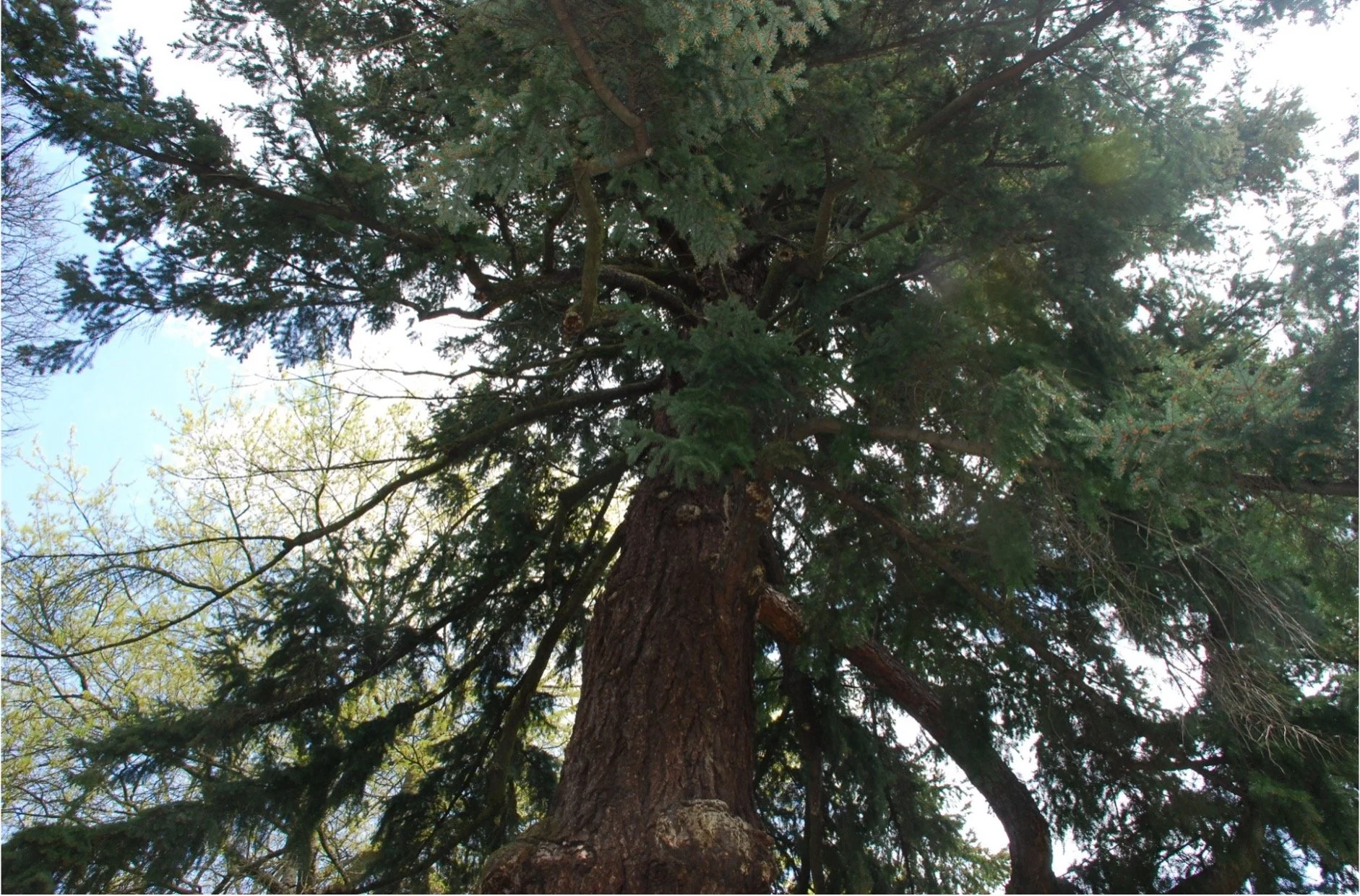
Lone Fir is a civic landmark and a treasured historic resource, with an extraordinary multicultural past. The lovely grounds, filled with trees that belie the cemetery’s name, sustain the memory of military veterans, firefighters, and mental hospital patients, and is a final resting place for people of diverse ethnicities and nationalities, including Chinese, Japanese, Russians, Ukrainians, Vietnamese, and African-Americans.
Lone Fir Cemetery is woven into Portland’s urban fabric, offering a vibrant portal to our past and an invaluable resource for understanding our collective journey—both our highest achievements and our toughest struggles. In 2012 National Geographic magazine named Lone Fir one of the ten best cemeteries in the world.
Portland’s “Chinese Burial Ground”
In the late nineteenth century and the early twentieth, nearly three thousand Chinese Americans were buried in Block 14, a full city block at the southwest corner of Lone Fir Cemetery. Eventually this site became known as the “Chinese Burial Ground,” set aside for the early Chinese sojourners whose efforts and sacrifices contributed much to the building of the city’s infrastructure, constructing many of the urban systems we take for granted today.
In keeping with traditional Chinese culture, the bodies interred at Lone Fir were originally intended to be held there only temporarily until their families could arrange to bring their bones home to China to be buried with their ancestors. Many of the Chinese workers had made arrangements for their remains to be sent back to China should they face untimely deaths in Oregon. After a specified amount of time, their bones were to be sent back to their home provinces in small metal boxes. For many, though, this did not occur.
Beginning in the late 1920s, Multnomah County required the Oregon Chinese Consolidated Benevolent Association to disinter hundreds of remains from Block 14. These remains were exhumed and shipped to Tung Wah Hospital in Hong Kong. Over the next twenty years the Multnomah County Board of Commissioners and the County Superintendent developed plans for alternate uses of the site that they deemed preferable. In 1948, County staff disinterred the last then-known remains from Block 14, with officials stating in County records that “for a long while we have been anxious to get rid of them.”
Multnomah County then bulldozed Block 14, desecrating graves and culturally important structures, erasing the memory of those who had been buried there and marginalizing the local Chinese American community. The County erected a maintenance building with a parking lot covering the site, the former use of the property generally forgotten. Most people who worked in the building, parked in its parking lot, purchased gravesites in the office there, or lived nearby did so without ever knowing that this had once been a functional part of the cemetery.
Block 14
Ownership of Portland’s historic cemeteries was transferred from Multnomah County to Metro, Portland’s regional government, in 1994, but the County retained claim to Block 14 since it was no longer seen as part of Lone Fir Cemetery. By the beginning of the twenty-first century the maintenance building had fallen into disrepair, and in 2004 the County announced its intention to auction Block 14 for development. As word of this plan spread, groups such as the Buckman Community Association and Friends of Lone Fir Cemetery raised concerns that human remains might still be buried at the site. Research undertaken by the Oregon Historical Society and the Oregon Chinese Consolidated Benevolent Association found records showing that intact burials likely still existed here. A 2005 archaeological analysis commissioned by the County confirmed that this was indeed the case, and development plans were halted. The County then transferred Block 14’s title to Metro.
In 2007 the Friends of Lone Fir Cemetery spearheaded the application to the US Department of the Interior’s National Register for Historic Places, and the cemetery was placed on the National Register with the designation of an “historic district.”
That same year Metro convened a diverse group of community members and history experts – including leaders from the Oregon Chinese Consolidated Benevolent Association, the Friends of Lone Fir Cemetery, and the Buckman Community Association – to come up with a plan for the future of Block 14. This group, the “Block 14 Work Group,” conceived the idea of a garden that would be a memorial to the forgotten individuals who had been buried there.
Metro retained Lango Hansen Landscape Architects and partnered with Friends of Lone Fir and the Oregon Chinese Consolidated Benevolent Association to engage the community with regard to the aesthetics and cultural appropriateness of the memorial. Metro and Lango Hansen produced the Lone Fir Block 14 Memorial Park Master Plan in 2008, in keeping with the cemetery’s listing in the National Register of Historic Places and with guidance from Oregon’s State Historic Preservation Office.
Keeping the Dream Alive
Both the Chinese community and the local neighborhood enthusiastically supported the plan for a memorial garden at Block 14. Metro had made a commitment to build the memorial, but it had not identified a source of funding, although it did allocate some funds to create the Lone Fir Cemetery Foundation in 2011. Although the foundation’s primary purpose was originally seen as helping to raise money for the proposed memorial garden, that proved daunting without the commitment of public funds and it shifted its focus to raising awareness and encouraging Metro to move the project forward. Board members stayed engaged by hosting events, meeting regularly, and maintaining close communication with Metro staff.
In 2019, Metro staff were planning the Parks and Nature Bond that would be presented to the voters in November of that year. They worked with the Lone Fir Cemetery Foundation to include the memorial garden at Block 14 as one of the prospective projects to be funded by the public bond measure. The bond measure passed easily, but in 2020 when information was released about the first group of projects that were set for funding, Block 14 was not among them.
The foundation recognized that the Metro Council and the bond oversight committee needed to be made more aware of the proposed memorial. Board members initiated meetings with each of the Metro Councilors to acquaint them with the project, answer any questions that they might have, and urge them to prioritize final design and construction of the memorial garden. Every Metro Councilor expressed appreciation for our advocacy and understanding of the historical and cultural importance of moving the project forward. The Metro Council voted to allocate $4 million toward the garden, and directed Metro staff to move forward with planning and construction.
By fall 2021, Metro had laid initial groundwork and assigned a senior planner, Karen Vitkay, to lead the project. After renewed community engagement, she managed the competitive process of choosing the design team for the memorial garden. Members of the foundation board participated in the selection process and were delighted when a team from Knot Studio, led by landscape architect Michael Yun, was chosen to create the final design.
In 2025, the Chinese Americans Citizens Alliance, the Oregon Consolidated Chinese Benevolent Association, the Lone Fir Cemetery Foundation and many other key stakeholders petitioned Multnomah County for a formal apology for the travesties the county initiated at the Chinese burial ground at Block 14. The County issued a formal apology and contributed $1.5 million in additional funding for the project.
The Lone Fir Cemetery Foundation is committed to supporting Metro in the successful design and construction of the garden, as well as with other projects at the cemetery as needed.
The Memorial Garden
Although the Block 14 project has been years in the making, it is the sustained partnership among Metro, the Lone Fir Cemetery Foundation, Friends of Lone Fir Cemetery, the Chinese American Citizens Alliance, the Oregon Consolidated Chinese Benevolent Association, and the broader community that has brought the planned memorial to a reality. Following extensive community engagement in 2008, a Lone Fir Block 14 Master Plan and initial design were created. In partnership with key stakeholder groups and the broader community, Metro updated that plan as it is today (Link to Metro’s project website). When complete, the memorial will honor the people who were once interred there. It will include a new pedestrian entrance to Lone Fir with interpretive signs and artwork sharing the site’s history.
Metro staff, working closely with the Lone Fir Cemetery Foundation and other stakeholders, have outlined the steps needed to complete the memorial thoughtfully and with care. This includes considering the site’s cultural and archaeological significance, its role as a beloved neighborhood space, and its listing on the National Register of Historic Places.
Securing funding took many years, but the dedication of community advocates, the Foundation, and Metro Councilors were ultimately successful in bringing us to this point. Former Governor and Metro Councilor Barbara Roberts, whose district included the cemetery, was an especially committed champion of the memorial.
The garden will recognize the past and present contributions of the Oregon Chinese community, which has long faced racism, discrimination, and erasure. As work has moved forward, the design has been refined to reflect current understandings of community storytelling, trauma-informed design, everyday uses of the cemetery, and the stewardship resources available for Metro’s historic cemeteries. The Lone Fir Cemetery Foundation remains a key partner in this work, helping ensure that the memorial reflects community values, historical truth, and the shared commitment to honoring those once laid to rest at Block 14.